This post contains affiliate links. As an Amazon Associate, I earn from qualifying purchases. This comes at no extra cost to you.
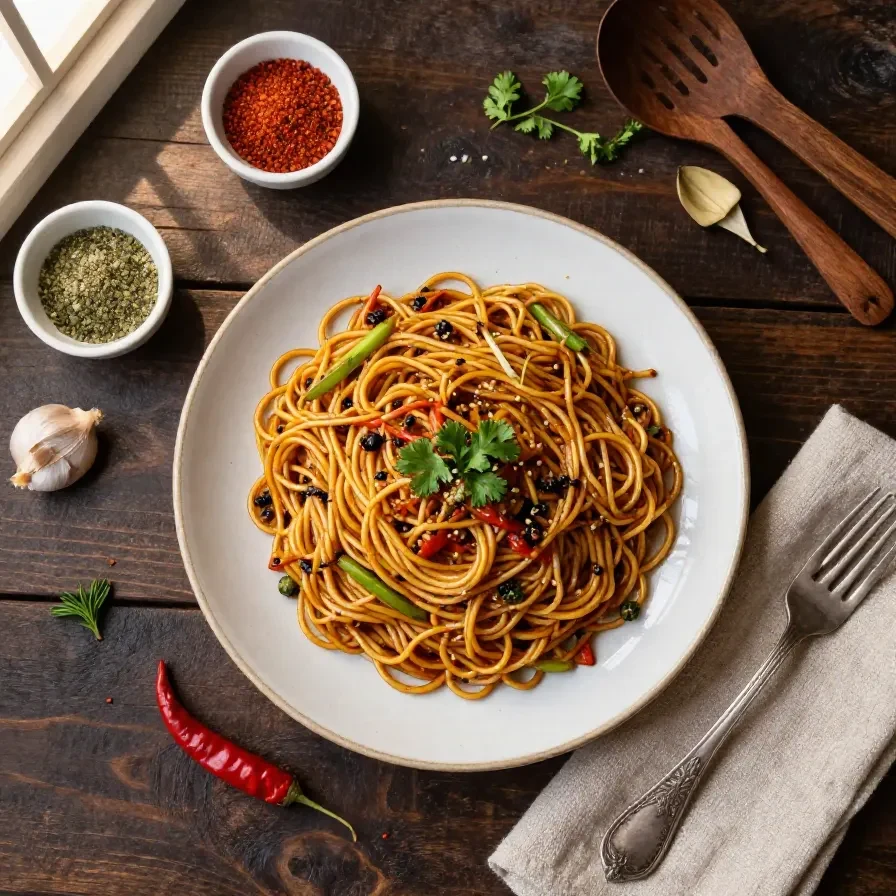
Chicken veggie noodle stir fry is a quick one-pan meal combining tender chicken strips, crisp vegetables, and chewy noodles in a savory sauce, ready in about 25 minutes. This easy stir fry noodles recipe yields four generous servings and keeps cleanup minimal. The dish balances protein, fiber, and carbohydrates in a single skillet.
The sizzle of chicken hitting a hot wok releases an immediate, mouth-filling aroma of toasted sesame and garlic. Thin noodles soak up a soy-based sauce that clings to every strand, while julienned carrots and shredded cabbage add a fresh, satisfying crunch. I first made this for my friend Jenna on a busy weeknight when we needed something fast but still felt like a real meal, and she asked for the recipe before she left.
Every bite combines tender meat, soft noodles, and vegetables that retain just enough bite. The sauce coats evenly without pooling at the bottom of the bowl. This dish proves that homemade takeout-style food can hit the table faster than delivery arrives.
Table of Contents
- What makes Stir Fry Noodles Recipe a weeknight staple?
- Which ingredients go into this noodle dish?
- How do you cook the Stir Fry Noodles Recipe?
- Frequently asked questions about this stir fry
- What to serve alongside these noodles?
- Common mistakes with stir-fried noodles
- Where did stir fry noodles originate?
- How to store and reheat leftovers?
What makes Stir Fry Noodles Recipe a weeknight staple?
This dish solves the 6 p.m. dinner scramble because it requires just one pan, takes under 30 minutes from start to finish, and uses everyday ingredients most home cooks already keep on hand.
You control the salt, sugar, and oil levels.
A typical takeout noodle box contains over 2,000 milligrams of sodium, but making it at home cuts that by nearly half while preserving the savory depth.
The ingredient list adapts to what you have.
Swap in broccoli for cabbage, use shrimp instead of chicken, or toss in a handful of spinach at the end without altering the core technique.
Cleanup stays minimal.
Everything cooks in a single wok or large skillet, so you face only one pan to wash after dinner.
The dish appeals to picky eaters and adventurous palates alike.
Mild flavors from the soy-garlic base satisfy cautious kids, while a drizzle of chili crisp at the table adds heat for adults who crave it.
Which ingredients go into this noodle dish?
This recipe relies on boneless chicken thighs, fresh lo mein or udon noodles, shredded green cabbage, julienned carrots, and a simple stir-fry sauce built from soy sauce, sesame oil, garlic, and ginger.
Here is the complete ingredient list with exact measurements:
- 1 pound boneless, skinless chicken thighs, sliced into thin strips
- 8 ounces fresh lo mein noodles (or cooked udon noodles)
- 2 cups shredded green cabbage
- 1 cup julienned carrots
- 3 tablespoons soy sauce (low-sodium preferred)
- 1 tablespoon oyster sauce
- 1 tablespoon toasted sesame oil
- 2 cloves garlic, minced
- 1 teaspoon fresh ginger, grated
- 1 tablespoon vegetable oil (for stir-frying)
- 1 teaspoon cornstarch mixed with 2 tablespoons cold water (optional, for a thicker sauce)
- 2 green onions, sliced for garnish
- 1 teaspoon sesame seeds for garnish
Soy sauce provides the salty, umami backbone, while toasted sesame oil adds a nutty aroma that defines the dish. Fresh garlic and ginger contribute a sharp, warming bite that cuts through the richness of the chicken thighs.
How do you cook the Stir Fry Noodles Recipe?
Cook the noodles briefly, brown the chicken in a hot wok, toss in the vegetables, then combine everything with the sauce in under ten minutes of active heat.
Step 1 — Prep the ingredients
Slice the chicken thighs into thin, even strips about a quarter-inch wide. Shred the cabbage, julienne the carrots, mince the garlic, and grate the ginger before you turn on the stove. Having everything prepped ensures the fast cooking pace stays smooth.
Step 2 — Cook the noodles
Boil the lo mein noodles according to the package instructions, typically 2 to 3 minutes for fresh noodles. Drain and rinse them under cold water to stop the cooking, then toss with a teaspoon of sesame oil to prevent sticking.
Step 3 — Sear the chicken
Heat the vegetable oil in a wok or large skillet over high heat until it shimmers. Add the chicken strips in a single layer and let them sear undisturbed for 90 seconds per side until golden brown and cooked through. Remove the chicken and set it aside.
Step 4 — Stir fry the vegetables
Add the shredded cabbage and julienned carrots to the same hot wok. Stir constantly for 2 to 3 minutes until the cabbage wilts slightly but still has some crunch.
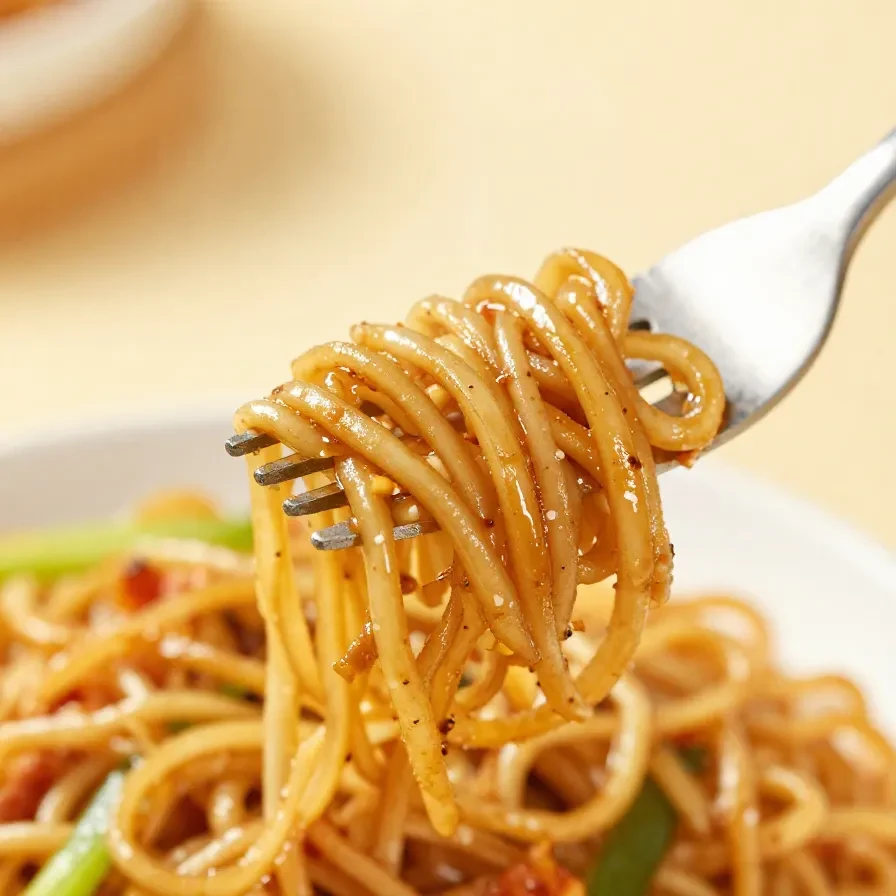
Step 5 — Build the sauce
Reduce the heat to medium and add the minced garlic and grated ginger to the vegetables. Stir for 30 seconds until fragrant, then pour in the soy sauce, oyster sauce, and the remaining sesame oil. If using the cornstarch slurry, stir it in now to thicken the sauce.

Step 6 — Combine everything
Return the seared chicken to the wok, add the cooked noodles, and toss everything together using tongs. Continue tossing for 1 to 2 minutes until the noodles absorb the sauce and everything heats through evenly.
Step 7 — Garnish and serve
Transfer the stir fry noodles to plates or bowls. Sprinkle sliced green onions and sesame seeds on top, and serve immediately while hot.
Frequently asked questions about this stir fry
Can I use dry noodles instead of fresh?
Yes, but boil them a minute less than the package directs so they stay firm. Rinse with cold water and drain well.
Which vegetables work best for stir fry noodles?
Cabbage and carrots hold their texture under high heat. Bell peppers, snap peas, and bok choy also perform well without turning mushy.
How do I prevent soggy noodles?
Rinse cooked noodles in cold water to remove excess starch, drain them thoroughly, and add them last. High heat keeps moisture evaporating quickly.
Can I make this dish gluten-free?
Swap soy sauce for tamari, use rice noodles, and check that your oyster sauce is labeled gluten-free. The technique remains identical.
What protein substitutions work?
Thinly sliced beef, firm tofu pressed and cubed, or peeled shrimp all cook quickly. Adjust searing time based on thickness; shrimp needs only about 60 seconds per side.
What to serve alongside these noodles?
Cucumber salad with rice vinegar and a pinch of sugar offers a cool, tangy contrast to the warm, savory noodles. The crisp texture and acidity cut through the richness of the sesame oil and chicken.
Steamed edamame pods sprinkled with flaky salt take two minutes in the microwave and add plant-based protein. They turn the dish into a more rounded meal without extra effort.
A simple egg drop soup made with chicken broth and whisked eggs echoes the ginger and garlic notes in the stir fry. Serving a small cup before the main dish stretches the meal for four people.
Pickled radishes or kimchi bring fermented tang and crunch. A spoonful on the side perks up each bite and adds probiotics that support digestion.
Common mistakes with stir-fried noodles
Overcrowding the wok drops the pan temperature below the searing point. Cook the chicken in batches if your wok is smaller than 12 inches, leaving at least an inch of space between pieces so they brown rather than steam.
Undercooking the vegetables leaves them raw and watery, which dilutes the sauce. Stir fry cabbage and carrots for at least 2 minutes over high heat, tasting a piece before adding the liquids.
Adding the noodles while they are still wet creates a soupy mess. After rinsing, shake the colander several times and spread the noodles on a clean kitchen towel for a minute to absorb residual moisture.
Where did stir fry noodles originate?
Stir-fried noodle dishes trace back to China, where chow mein has been documented since the Han Dynasty over 2,000 years ago. The technique of flash-cooking ingredients in a rounded wok over intense heat allowed home cooks to prepare meals quickly using minimal fuel.
Lo mein, the specific noodle style most common in this recipe, emerged later in Cantonese cuisine. Unlike chow mein noodles that get fried until crisp, lo mein noodles are boiled and tossed with sauce and ingredients, creating the softer, sauce-coated texture popular in American Chinese takeout today. The adaptability of the dish spread it across Asia, with variations appearing in Japanese yakisoba, Filipino pancit, and Thai pad see ew.
How to store and reheat leftovers?
Cool the stir fry noodles completely before transferring them to an airtight container. They keep in the refrigerator for up to 3 days, though the vegetables soften slightly each day.
For the freezer, portion the noodles into flat freezer bags, press out excess air, and seal tightly. Frozen stir fry noodles maintain quality for up to 2 months. Thaw overnight in the fridge before reheating.
Reheat in a hot skillet over medium heat with a teaspoon of water or additional soy sauce to revive the noodles. Stir constantly for 2 to 3 minutes until steaming hot. Avoid the microwave if possible, as it can turn the noodles rubbery; if you must use it, cover the bowl with a damp paper towel and heat in 30-second bursts.
Loved this recipe? Save it to your favorite Pinterest board so you can easily find it later! ✨