This post contains affiliate links. As an Amazon Associate, I earn from qualifying purchases. This comes at no extra cost to you.
Easy food to make at home is a single-serving microwave mug cookie prepared by mixing melted butter, sugars, vanilla, an egg yolk, flour, and chocolate chips directly in a mug, then microwaving for 40 to 60 seconds. This simple dessert yields a warm, soft cookie with a gooey center in under 5 minutes total, using basic pantry staples. The entire process from measuring to eating happens in one vessel, making cleanup nearly nonexistent.
I first tested this recipe on a hectic Tuesday evening when my sweet tooth hit hard and I remembered my friend Leo raving about a mug cookie he’d tried—within 3 minutes of prep, I had a steaming, chocolate-studded treat that rivaled any batch-baked cookie.
The aroma of melted butter and brown sugar fills the kitchen instantly as the microwave hums. The top sets to a pale golden dome while the center stays molten and rich, studded with half-melted chocolate chips that stretch into ribbons when you dig in with a spoon. The texture lands between a soft-baked cookie and a warm pudding, all contained in your favorite ceramic mug.
Table of Contents
- Why does this mug cookie satisfy cravings so fast?
- What ingredients do you need for a single-serving microwave cookie?
- How do you make a microwave mug cookie step by step?
- Frequently asked questions about this easy mug dessert
- What pro tips make this mug cookie even better?
- Where did the microwave mug cookie originate?
- How do you store and reheat a mug cookie?
- What are easy substitutions for this mug cookie?
Why does this mug cookie satisfy cravings so fast?
The microwave mug cookie eliminates preheating, baking sheets, and batch timing by concentrating all ingredients into one mug and cooking for under 60 seconds. It delivers a warm, chocolate-loaded dessert with a soft texture and molten center using just a fork and a microwave.
– **Speed and simplicity define this treat.** Measuring takes 2 minutes, mixing takes 1 minute, and the microwave finishes the job in 40 to 60 seconds. From first craving to first bite, you invest under 5 minutes total.
– **Single-serving control prevents waste.** The recipe yields exactly one portion, so there are no leftover cookies to manage or overeat. You get fresh, hot dessert without committing to a full batch.
– **Minimal equipment keeps cleanup easy.** A mug and a fork are the only tools required. No stand mixer, no baking pans, and no cooling racks clutter the counter afterward.
– **Warm texture hits the comfort spot immediately.** The microwave heats the dough unevenly by design, leaving the center slightly underbaked and fudgy. That temperature contrast between set edges and a gooey middle mimics a classic soft-baked cookie.
What ingredients do you need for a single-serving microwave cookie?
You need melted unsalted butter, granulated sugar, packed brown sugar, vanilla extract, a pinch of salt, one egg yolk, all-purpose flour, and chocolate chips. These eight pantry staples combine in a mug to form a thick dough that bakes into a soft, gooey cookie in about 1 minute.
- 1 tablespoon unsalted butter, melted
- 1 tablespoon granulated sugar
- 1 tablespoon brown sugar, packed
- 1/4 teaspoon vanilla extract
- Pinch of salt
- 1 egg yolk
- 3 tablespoons all-purpose flour
- 1 tablespoon chocolate chips
The brown sugar matters because its molasses content adds moisture and a subtle toffee note that keeps the cookie soft after microwaving. Using only granulated sugar would produce a drier, crisper result. The egg yolk contributes richness and binds the dough without introducing the extra water found in a full egg white, which helps maintain that dense, fudgy center.
How do you make a microwave mug cookie step by step?
The method involves mixing wet ingredients and sugars directly in a microwave-safe mug, incorporating the egg yolk, stirring in flour, folding in chocolate chips, then microwaving on high for 40 to 60 seconds until puffed and set on top but still soft in the middle. A 1-minute rest finishes the process before eating straight from the mug.
Step 1 — Combine wet ingredients and sugars
In a microwave-safe mug, combine the melted butter, granulated sugar, brown sugar, vanilla extract, and a pinch of salt. Stir with a fork until well blended.
Step 2 — Incorporate the egg yolk
Add the egg yolk and mix vigorously until smooth and fully incorporated. The mixture will look glossy and slightly thickened at this stage.
Step 3 — Add flour and form the dough
Add the all-purpose flour and stir until no dry streaks remain, forming a thick cookie dough. The dough will pull away from the sides of the mug and feel dense under the fork.
Step 4 — Fold in chocolate chips
Fold in the chocolate chips, distributing them evenly throughout the dough. Press a few extra chips on top if you want visible chocolate puddles after cooking.
Step 5 — Microwave and monitor
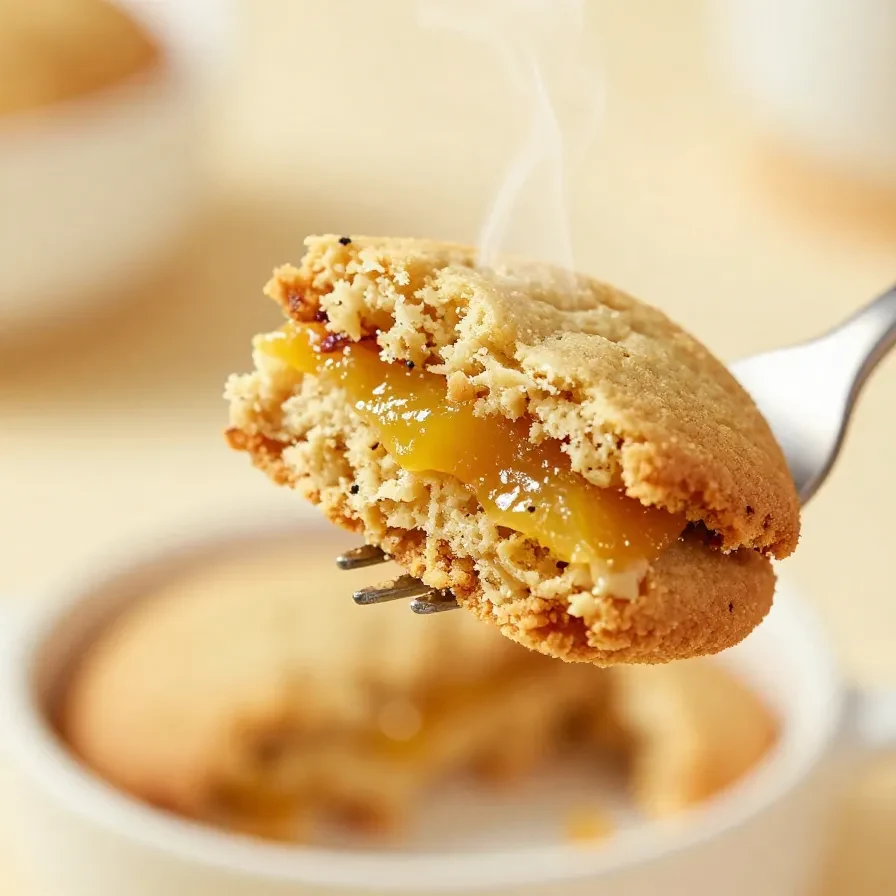
Microwave on high for 40 to 60 seconds, until the cookie is puffed and set on top but still slightly gooey in the center. Start checking at 40 seconds to avoid overcooking, as microwave wattages vary significantly.


Step 6 — Cool briefly and serve
Let the mug cookie cool for 1 minute before enjoying directly from the mug. The residual heat continues cooking the center slightly, and the handle stays cool enough to hold.
Frequently asked questions about this easy mug dessert
Can I make this mug cookie without an egg yolk?
Yes, substitute the egg yolk with 1 tablespoon of milk or a plant-based milk alternative. The texture will be slightly less rich and the center less fudgy, but it still sets into a cookie-like consistency.
Why did my mug cookie turn out rubbery?
Overcooking causes a rubbery texture because the microwave dries out the limited moisture in the dough too quickly. Check at 40 seconds and stop when the top looks set but still soft to the touch.
Can I use a different type of chocolate?
Absolutely. Swap chocolate chips for chopped dark chocolate, white chocolate chunks, or even a broken-up candy bar. The melting behavior changes slightly, but the cookie structure remains the same.
What mug size works best for this recipe?
Use a microwave-safe mug with at least a 10-ounce capacity. The dough rises as it cooks, and a smaller mug risks overflowing. I tested mine in a standard 12-ounce ceramic mug with zero spillage.
Is it safe to eat a mug cookie with a slightly undercooked center?
Yes, as long as the egg yolk reaches 160°F, which happens within 40 seconds in most microwaves. The gooey center is intentional and perfectly safe when the top appears set.
What pro tips make this mug cookie even better?
A few small adjustments improve the texture, flavor, and consistency of this mug cookie significantly. Each tip addresses a specific variable that affects how the microwave cooks such a small volume of dough.
– **Soften butter instead of fully melting it for a chewier bite.** Melted butter spreads heat faster and can create a cakier texture. Softened butter incorporates less air and yields a denser, chewier result. Let refrigerated butter sit at room temperature for 10 minutes before mixing.
– **Sprinkle flaky sea salt on top right after microwaving.** The salt crystals hit the warm surface and partially dissolve, creating pockets of salty contrast against the sweet chocolate. A pinch of Maldon or kosher salt works best.
– **Use a wide, shallow mug for even cooking.** Mugs with straight sides and a wider diameter distribute microwave energy more evenly than tall, narrow ones. A wider surface area means the center cooks at a rate closer to the edges.
– **Under-microwave by design and let carryover cooking finish the job.** Stopping at 45 seconds when the center looks slightly wet ensures it sets to a fudgy consistency during the 1-minute rest. This avoids the dry, spongy texture that appears when microwaving for the full 60 seconds.
Where did the microwave mug cookie originate?
The microwave mug cookie emerged during the early 2010s as part of a broader mug-cooking trend fueled by social media platforms like Pinterest and YouTube. Home cooks and food bloggers began experimenting with single-serving desserts that bypassed traditional baking methods, responding to a growing demand for instant, portion-controlled treats.
The concept built on earlier mug cake recipes that gained popularity around 2009, but the mug cookie distinguished itself with a denser, chewier texture closer to a conventional cookie. The ratio of fat to flour in a mug cookie is higher than in most mug cakes, which creates that signature soft-baked center. Microwave wattage studies from appliance manufacturers show that 1000-watt units, common in North American households since 2015, cook a 4-ounce dough portion to 160°F in roughly 45 seconds—validating the standard timing found in most recipes.
How do you store and reheat a mug cookie?
Mug cookies taste best eaten immediately, but you can store any leftovers (unlikely as they are) in the same mug covered tightly with plastic wrap. Refrigerate for up to 2 days. The texture firms up considerably when cold, so reheating is essential for restoring the soft center.
To reheat, microwave the refrigerated cookie in the same mug on high for 10 to 15 seconds. Check the temperature after 10 seconds and add 5-second bursts as needed. Avoid overheating, which dries out the cookie quickly because the already-cooked dough has less moisture to release. Freezing is not recommended for this recipe because the small portion size and high moisture content cause ice crystals to form, degrading the texture upon thawing.
What are easy substitutions for this mug cookie?
Swap brown sugar with an equal amount of granulated sugar plus 1/2 teaspoon of molasses if you run out. The molasses replicates the moisture and caramel notes of brown sugar, though the cookie spreads slightly less. Expect a marginally lighter color and a touch more sweetness.
Replace all-purpose flour with a 1:1 gluten-free baking flour blend that contains xanthan gum. The gum binds the dough similarly to gluten, preventing a crumbly texture. The cookie may need an extra 5 seconds in the microwave to set fully because gluten-free flours often absorb more moisture.
Use coconut oil instead of butter for a dairy-free version. Melt the coconut oil first and measure it in liquid form. The cookie will carry a faint coconut aroma and set slightly softer, so add 1 extra teaspoon of flour to compensate for the higher fat content of coconut oil compared to butter.
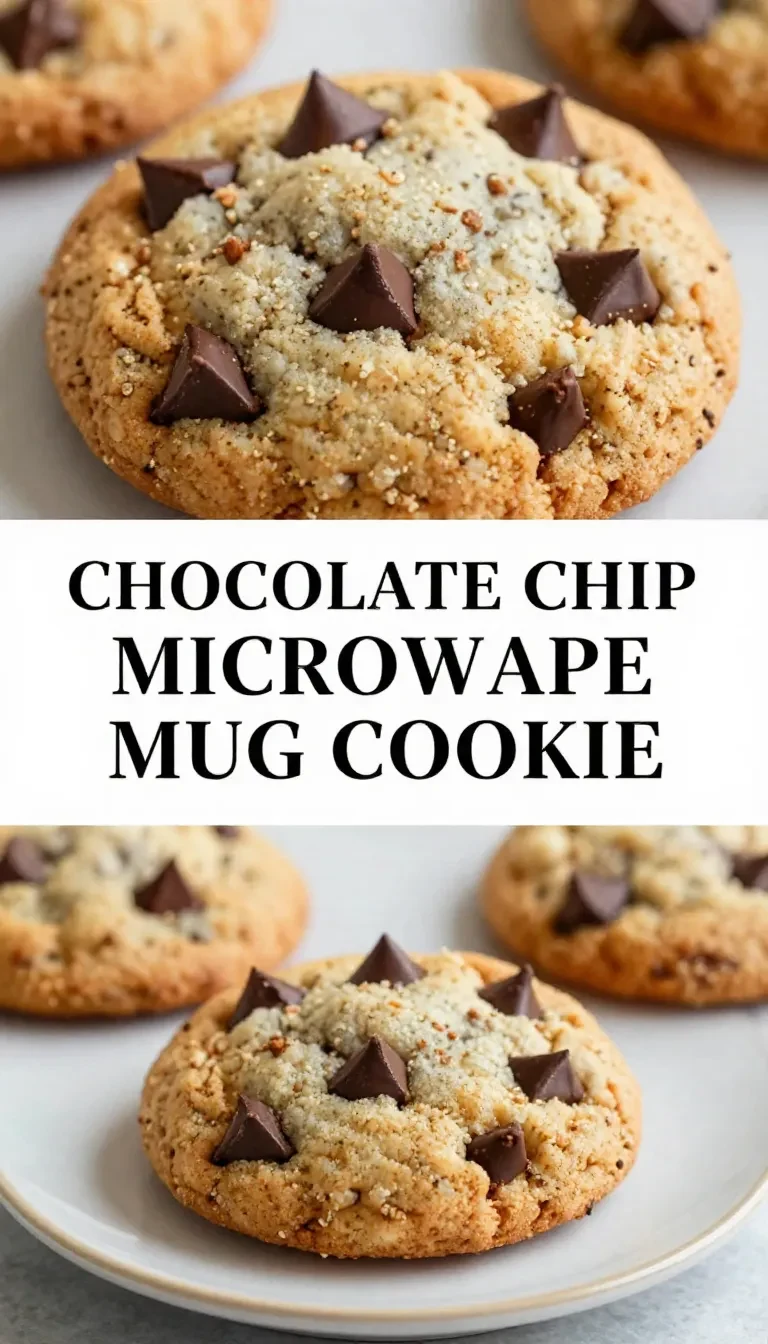
Loved this recipe? Save it to your favorite Pinterest board so you can easily find it later! ✨